Posts Tagged ‘body’

Ancient Christian Coptic Oriental Orthodox icons – The reason for asymmetric body members in early Christian iconography

Monday, July 30th, 2012

While checking some information on Coptic Eastern Oriental faith, I've stumbled upon a very beautiful (and unique) ancient Orthodox Christian icon depicting Saint Menas and our saviour the Lord Jesus Christ, below is the very beautiful icon

Saint Mena (Sv. Mina) and The Lord Jesus Christ icon from 6th century

Saint Mena (Sv. Mina) and The Lord Jesus Christ icon from 6th century

As you can see the iconography is very interesting, the images differ from modern day iconography the portraits are not looking so serious but looks like "childish". This childish forms and faces on the early Christian iconography is not accidental; it expresses the childish like pure faith our Christian devoted ancestors had. This early Christian faith and spiritual life icon is obviously in conjunction with our Saviour Jesus Christ words as red in the Gospel according to Matthew:
 

At that time the disciples came to Jesus, saying, "Who then is greatest in the kingdom of heaven?" Then Jesus called a little child to Him, set him in the midst of them, and said, "Assuredly, I say to you, unless you are converted and become as little children, you will by no means enter the kingdom of heaven. Therefore whoever humbles himself as this little child is the greatest in the kingdom of heaven. Whoever receives one little child like this in My name receives Me.

Matthew 18:1-5

This icon as well as the early Christian icons are very different from nowdays iconography probably for reason;
the images difference, the seriousness and the lack of brightness in the faces of nowdays iconography is a clear sign of the great decay of both Orthodox Christian as well as the down-fall of spiritual life worldly.
I've seen similar childish looking image icons in some Bulgarian ancient relics museums in my child years and always thought the depictions are so kiddish because iconographers of that time did not have the painting knowledge and skills to draw better ones.
Now as I know Christianity much better than then, I understand my previous assumption for the reason of the kiddish looking images is wrong.
Saint Mena (Sv. Mina) and The Lord Jesus Christ icon from 6th century

Very interesting in the early Christian iconography are the shapes. If you take a close look to above icon, you will notice the disparity of the two body members; the hands, head and eyes are unusually big. My guess for the lack of correspondence of body members is the attempt of early iconographers to put accent on most important members of our bodies;

- The head (holding the mind and thoughts of the saints)
- The hands through which the daily food is raised and the eyes through which the world is comprehended are much bigger than in a real person portrait.
- The mouth which is almost the size of the eyes; obvious reference that for early Christian contemplating was much more precious (important) thing, than speech.
This is also in accordance with the New Testament holy scriptures which says like so concerning the tongue:
 

8 But no one can tame the tongue; it is a restless evil and full of deadly poison.
9 With it we bless our Lord and Father, and with it we curse men, who have been made in the likeness of God;
10 from the same mouth come both blessing and cursing. My brethren, these things ought not to be this way.
11 Does a fountain send out from the same opening both fresh and bitter water?
12 Can a fig tree, my brethren, produce olives, or a vine produce figs?
Nor can salt water produce fresh.

Notice also the Halos of the two saints, the size of the halos is almost one third of the whole body of the saints. The Gospel hold by our and all humanity Saviour Jesus Christ is also enormous sized; corresponding almost the height of the arm of Christ on the icon.
The size of the Gospel stresses out the importance of the Holy Bible writtings for early Christians. Nowdays the size of Gospels or Holy Bible especially among protestant Churches "tradition" is becoming smaller and smaller following the spirit of the time proclaiming mobility …

Today the iconography Orthodox Christian "school" has severely changed and the icon images are much more complicated than in ancient times.
The complication of images and elements on Orthodox Icons is a "mirror" of the internal complicated world of us modern-time Christians. This over-complication of our internal spiritual world, does separate us from God instead of uniting us as it is well known in Holy Orthodox Christian tradition God is best known through simplicity and pureness in life thoughts and actions.

The Coptic Oriental Orthodox Church is the only Church, where there is still iconographers drawing in the style of the ancient times childish looking icons. The reason Copts preserved this ancient iconography is that they have conservated big portion of the ancient faith rejecting the decisions of all 7 Orthodox Ecumenical Church Councils. Copts still accept only ecumenical council decisions up to the III-rd ecumenical council. This is also the reason why Eastern Oriental Orthodox Christians are considered not in official communion with the rest of Eastern Orthodox Churches. I had the opportunity by God's grace to meet an Coptic Orthodox Christian (a guy called Baky); From what I've seen and experienced within the few months with Baky my conclusion is Coptic Orthodox layman faith is much stronger than the one in most of other Orthodox Christians I know. The official standpoint of our Eastern Orthodox Church concerning the copts are that they're in heresy and not really orthodox. I'm not sure if this is really true, since I have spend few months with this Coptic Christian brother this autumn and winter and from what I've seen and heard as well as researched on coptic Orthodox it seems their overall Church teaching, Holy Liturgies and everything is very much orthodox (with very little service and faith differences). Here are few beautiful Coptic Orthodox Christian icons still being drawn in the spirit of early days Christianity.

Saint Abba Anthony the Great Coptic Oriental orthodox Icon

Abba (saint) Anthony the Great the father of Orthodox Christian Monastic Life

Coptic Orthodox Oriental Icon Abba Anthony and saint Paul

Coptic Orthodox Oriental Icon of Saint Anothony the Great – "the founder" of Monastic life

Coptic Oriental Orthodox Icon Tobias old testamential Book story

Tobias Old Testamential Story coptic icon

Holy Family Flight into Egypt Coptic Orthodox Icon

Holy Family – Flight into Egypt Coptic Orthodox oriental icon

Christ the Saviour Coptic Oriental Orthodox icon

Christ the Saviour – Coptic Oriental Orthodox icon

Holy Theotokos Coptic Oriental Orthodox icon

Holy Theotokos Coptic Oriental icon

Saint Athanasius defender of pure orthodoxy Oriental Orthodox icon

Saint Athnasius coptic orth icon

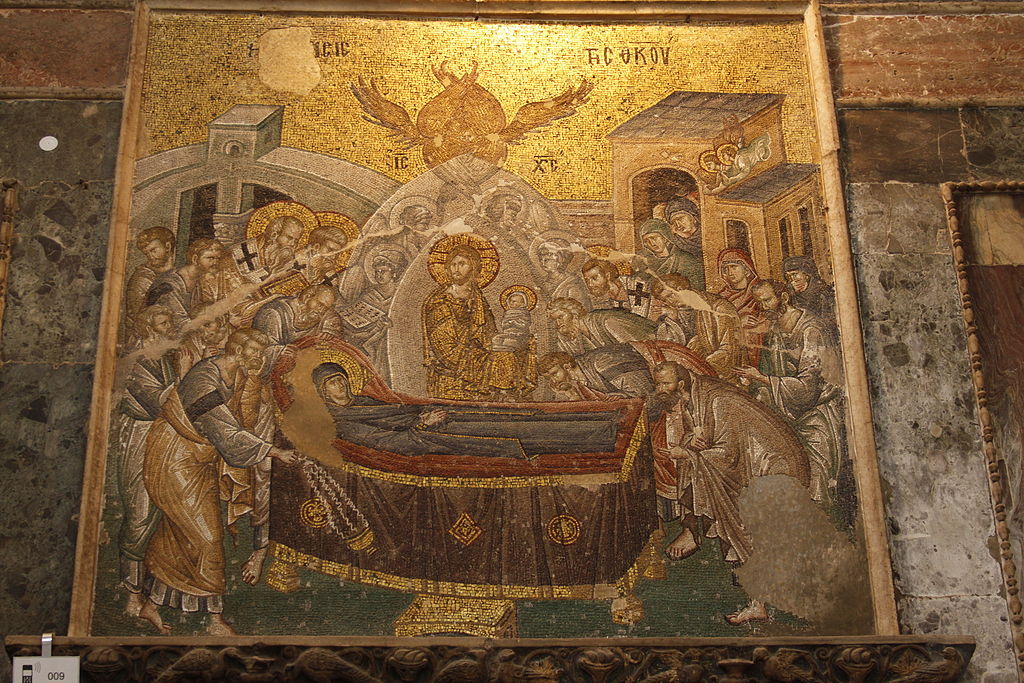
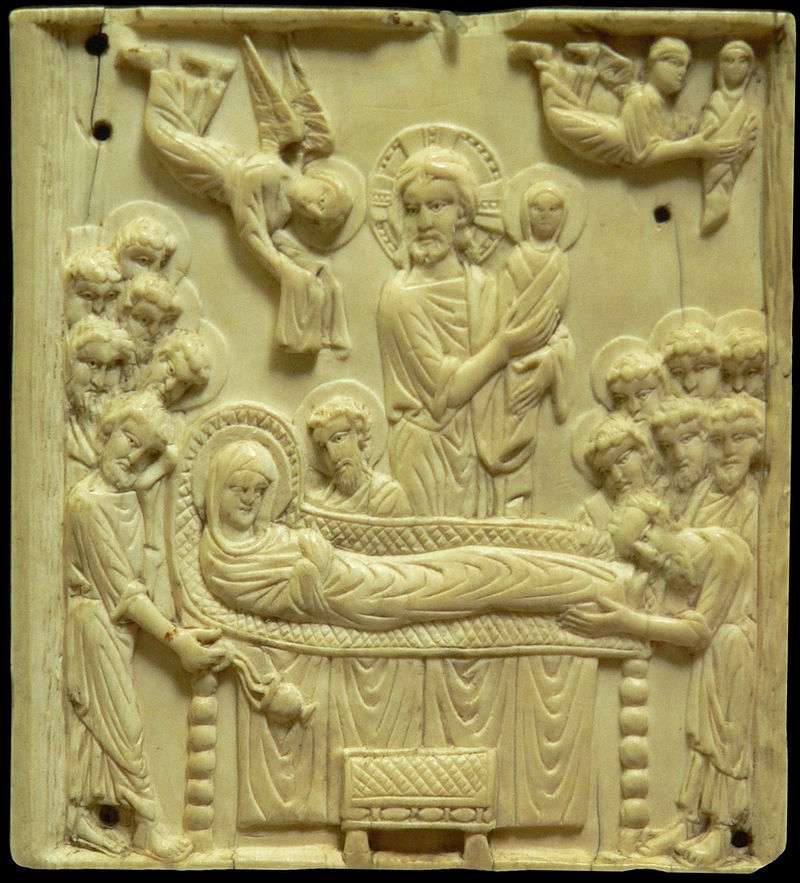
The Dormition of Holy Theotokos Mother Mary Coptic Orthodox Oriental Icon

The Dormition of Virgin Mary Coptic icon

Share this on

Life was easier when Blackberry and Apple were just fruits

Saturday, June 30th, 2012

Life was much easier when blackberry and Apple were just fruits

Sad but true fact Life was much easier when BlackBerry and Apple were just fruits!.

I don’t know about others but I have difficulties to adjust my body to the fast pace life has taken. Life would was easy and more fun without all this technology. Now even going to a pub you can’t escape the “doom” of technology. If the tech hype continues the way it does or something drastic doesn’t happen I guess all people on earth will get completely crazy …



I thougth about how this techno-mambo jumbo can be stopped on a wide scale and the only idea I have is a weapon that blocks all tech equipment world-wide. I hope someone will develop it soon and press the destory button SOON ! :)

Share this on

Negative impact of Cell Phones (GSM) use on individual and society

Monday, June 25th, 2012

Negative impact of Cell Phones GSM on individual and society

We all live in an age, where cell-phone communication has become a standard part of our daily lives. As with everything new adopted in basic human life. GSM tool inclusion in our life had a severe impact on both individuals and in summary to whole society groups and nations.

The benefits out of having an instant “channel” for communication to anyone else in the world are indoubtfully numerous. However as present tosicety is learned to mostly thing in one direction, most people didn’t have a clear understanding on the negative impact of this little communicators on our mind body and soul.

1.; Negative impact of mobile phones on body level

Whenever we talk over the phone especially when picking up incoming calls or initiating out-going ones, the GSM device has to connect to the closest network cell “dial up” and wait for initialization of remote or local connection. The levels of radiation waves during the two mobiles connects up is higher. Therefore if one moves the phone near his ear listening for the status of call the amount of radiation that enters our brains is slightly higher. The extra-radiation whether mobiles are connecting is also few times more whether our phone is ringning, hence it is unhealthy to put the phone near our ear before we press the Answer Call button.

2.;; Negative effect of continuous mobile phones use on human brain

Knowing about the increased radiation on connection initialization thanksfully one can protect himself by simply not putting the mobile headset near ear on call initialization. Though this “problem” can be partially solved, next comes the health brain damage (tumours) which according to some researches are higher among people who do frequentlong phone call conversations. In long phone calls the brain is exposed for a longer time to the flowing waves making the peer to peer call possible. According to some medical researches, a long and frequent phone calls could be a reason not only for brain cancers but also other misfunctions or damages in normal brain cells functioning.

3.;;; The bad impact of Cell Phones on nervous system

Another health issue which the daily phone use and the constant exposure to mobile network cells radio frequency radiation affects generally our nervous system.

Unexpected phone calls early in morning or late at night are a cause for increased bodily stress and even the fear sometimes for an incoming phone call are a cause for many types of neurological disorders diagnosed by psychiatrists.
Even when we sleep at night the mobile phone periodically connects to the nearest mobile cell generating some almost undetectable “waves contamination”. This constant waves air flow caused by the mobile network cells positioned all around cities is not usual thing for our bodies. This also has some influence on our nervous system as the nervous sysm tends to be a bit more alert because of the waves constantly passing the body. The natural reaction of our bodies nerves is to try to balance itself. As nervous system of different people is not equal some people’s nervous system is more prone to having difficulties to balance the disbalance created by the increased number of mobile air waves.
The result of this to many people is in increased sleeplessnes and hardships to get asleep (according to research taken place in American Academy of Sleep Medicine.).

4.;;;; Lost of social and ethical behaviour in people

There is lately observed a huge shift from a face to face communication to peer to peer (p2p) on the phone. The cellphones breeds a culture of socially group detached people (the communication over phone is rarely a conference) but rather consists of communication between two persons (peer to peer). The p2p communication is not only a primary mean of communication of people exposed to heavy phone use. p2p Communication is a primary communication in Skype, Google Talk and mostly all modern available communication medias and softwares.

As more and more people spend nowdays more time on the mobile than in real communication, this makes them introverted and isolated and increases the inability to deal with real human f2f interaction. In other words continuous phone use re-trains us to communicate with others via the mobile. Besides that according to numerous researches about 40 to 50% of visual communication whether a phone call is used is lost (this also makes negotiation or expressing over phone harder and at least twice longer than in real communication).

The influence of the decreased social abilities cause of the phone use has also an impact on ethical behaviour of people too. The increased lost of communication abilities makes even daily real communication vague and lacking accepted social norms and ethical values. Next to that comes the huge problem of over-simplification of communication. As the line communication over the phone loose half of the communication as well as sometimes there are quality of voice over the network interferences. People are doing their best to simplify the communication adopting short command like like phrases and talking in a slang.

5.;;;;; Addiction to mobile phone use

The use of mobile phone often has a short beep sounds, whether you work on the keyboard receive a phone call or look for some mobile functionality staring at the screen. We’re wearing the mobile everywhere with us so often we do check the mobile screen quite un-consciously (by addiction). Checking the mobile screen to see what time is it has become almost an instinct and an automated learned behaviour.

The continous use of mobile phones makes many people mobile addicts. There are huge amount of people I’ve observed who speaks everyday for few hours (whether everytime they feel lonely they call someone in order not to feel lonely). The mobile phone addiction in youngsters is slighly higher than in adults. Probably the most mobile dependent addicts are kids who were given a mobile to use since there very early years.
Anyways there are tons of adults nowdays who cannot even think to be able to live without mobile and even cannot understand: how can anyone think that life could be possible without a cell phone. This kind of thinking is a direct trait showing an addiction and dependency on the phone such people have.

Share this on

Saint Abraham the Bulgarian co-memoration in Bulgarian Orthodox Church

Monday, April 2nd, 2012

saint Abraham the Bulgarian, sv. Avramii Bolgarski

Saint Abraham the Bulgarian is an Orthodox Christian saint venerated across most Slavonic Christian dome. His co-memoration in the Bulgarian Orthodox Church (BPC) is on 1st of April.

What is unique about this saint is that he used to be born and grown in the tradition of the Muslim (Islam) faith and by the great providence of God he converted to the true faith of Christianity.

St. Abraham of (Bulgaria), was born in Volga Bulgaria in a community of Muslim Volga Bulgars (old Bulgarians). Nowdays Volga Bulgaria is located in Tararstan Russia. The saint used to be an islamic merchant and His martyrdom for Christ happened in March 6 (according to old Church Calendar) in year 1229.

He used to live in a very complex situation, when the islamic influence of Arabs in his motherland was quite severe. St. Abraham of Bulgaria used to be a rich man for his time, he was a merchant.
Because of the trade he travelled a lot to the Byzantine Empire and the Orthodox Christian principalities. This give him an opportunity to get to know Christian faith little by little.

He was accustomed to a wordly life but still always accepted strangers and similar to the Old Testamental father of nations st. Abraham he's been very hospitable to poor people.
By Gods grace he become convinced Muslim faith does not teach a true faith to the one God,  being pointed by God himself towards the right salvation way, he accepted Jesus Christ as a Lord and Saviour being baptized and hence converting to the truthful Christian faith.

His Christian baptizmal was accepted from Russian traders, who lived nearby the place of Great Bulgar.
Being baptized in the Christian faith Saint Abraham of Bulgaria not only confessed Christian faith across his fellow people, but he also led very harsh (ascetic like) life, wearing secretly below his clothes a heavy chains during his worldly travels. The profit he made from trade often he shared with the poor.Once he went for a trade to the city of Great (Bulgar) Bulgar. There he was arrested because there was a rumor, he cursed (islamic faith believed prophect) Mohammed and the muslim faith.


Saint Abraham Avramii Bylgarski Bulgarian Martyr saint old drawing

Muslims catched him and started convincing him to reject Christ, accusing him at a blasphemy. Abraham was not scared of muslim threats of expel and even putting to death. As Muslims failed to force him "by words" to convert back to Islam, they took him and put him in jail because of his denial of (their) Islamic faith.

In jail he was tortured but, they failed to convince him to deny Christ, seeing they have no way to convince him to accept Muslim faith once again, saint tormentors first cut his hands, then the legs and finally disgraced by his boldness and continues confession of Christ they beheaded him.

Soon afterwards the city of Bulgar was captured and burned down by the Mongols, many people in that time saw this is Gods punishment for the innocent shed blood of Abraham the Bulgar.
The local Christians took his body and buried him in the Christian cemetery of the ancient city of (Bolgar) / Bulgar.
On the place, where the saint was buried, a healing water spring emerged. The first man who received healing from this spring by Christ's grace was a muslim.

Miracle Making Spring Well Saint Abraham the Bulgarian

Great healing miracles happened on the saint grave. Local Christians took their relatives and bring them to the saints grave for a miracle healing and a prayer intercession of the saint. A rumour about the saints great graceous grave quickly spread and some people told about the miracle healing grave f st. Abraham to prince Georgi / (George) Vsevolodich.One year later again on 6th March 1230, the body of the saint was carried in the city of Vladimir, where the prince and his family, the Vladimirsk Bishop, the clergy and the local people received the holy relics of st. Abraham (of Bulgaria). The holy relics was kept in the local church "Dormition of Mother Mary" on 6th of March in the year of 1230.

The co-memoration of st. Abraham the Bulgarian is being observed in the Bulgarian Orthodox Church, since very ancient times.
Nowdays both Christians and Muslim celebrate the saints feast.

Icon of Orthodox Christian Saint Abraham of Bulgaria and his Holy Relics

Interesgingly, nowdays St. Abraham the Bulgarian is venerated as a saint by both Orthodox Christians and by Muslims. Many Muslims from Turkey and other muslim countries come each year for the saints feast day to pray and ask for healing or prayer intercession to God.

Even to this very day people receive by Jesus's grace through saint Abraham the Bulgarian's prayers – a various incurable disease healings. The healings occur on the same holy spring where the saint was buried. Many people are also healed from incurrable diseases through the veneration of the incorruptable saint holy relics kept in the Church Dormition of Mother Mary.

Share this on

Double Feast in our Bulgarian Orthodox Church – feast of Annunciation and comemmoration of St. John Lesstvichnik

Monday, March 26th, 2012

One more year, we are into the great Lent and we're given the Grace to hear the Good tidings (Good News) handed down by Archangel Gabriel to our Virgin Lady (The Mother of God). We hear the GOOD NEWS that our Lord Jesus Christ is conceived immaculately and is to be born from the Holy Theotokos most pure body:

Here is a little part of the Gospel New Testamention reading from Luke for the day:

28 The angel went to her and said, Greetings, you who are highly favored! The Lord is with you.
29 Mary was greatly troubled at his words and wondered what kind of greeting this might be.
30 But the angel said to her, Do not be afraid, Mary; you have found favor with God.
31 You will conceive and give birth to a son, and you are to call him Jesus.
32 He will be great and will be called the Son of the Most High. The Lord God will give him the throne of his father David,
33 and he will reign over Jacob’s descendants forever; his kingdom will never end.
34 How will this be, Mary asked the angel, since I am a virgin?
35 The angel answered, The Holy Spirit will come on you, and the power of the Most High will overshadow you. So the holy one to be born will be called the Son of God.
36 Even Elizabeth your relative is going to have a child in her old age, and she who was said to be unable to conceive is in her sixth month.
37 For no word from God will ever fail.
38 I am the Lord’s servant, Mary answered. May your word to me be fulfilled. Then the angel left her.

You can also read the feast troparion and some more information on this great Christian feast here

This year, today's feast also coincides with the comemmoration of one great Church Father – Saint John (monk) Lestvichnik .

st. john Lestvichnik Orthodox Christian icon

St. John Lestvichnik is honoured as one of our great ascetic saints across all Orthodox Christian dome.
Actually Lestvichnik word (comes from ancient Bulgarian / ancient Slavonic) and is a title. st. John received the Lestvichnik title as his spiritual life was so high and up to God, like climbing from earth to Gods heavens.

The meaning of Lestvichnik is "of the Ladder". After his title name Lestvichnik was named also his greatest life work Lestvica, which translated to english means Ladder

To read more about st. John Lestvichnik living a good Egnlish translation is here

Just in case to preserve, this great saints short living (english translation), I've made a mirror of st. John Lestvichnik (short) living here

St.John Lestvichnik (of the Ladder) 12th, 13 century icon

Lestvica is a very popular ancient monks living rule (guidance text);
"a true instruction for those following after invariably, and as such would be a ladder of affirmation, which would lead those wishing it to the Heavenly gates…"

Lestvica was written by st. John Lestvichnik, after a 40 years ascetic seclusion in (speachless solitude
The monks spiritual instructions rules and advices work "The Ladder" bears the title Ladder described by st. John like so:

"I have constructed a ladder of ascent...
from the earthly to the holy...
in the form of the thirty years of age for the Lord's maturity, symbolically I have constructed a ladder of 30 steps, by which, having attained the Lord's age, we find ourselves with the righteous and secure from falling down".
The purpose of this work, is to teach – that the reaching of salvation requires difficult self-denial and demanding ascetic deeds. "The Ladder" presupposes, first;
1. a cleansing from the impurity of sin – the eradication of vices and passions in the old man;
second;

2. the restoration in man of the image of God. – Although the book was written for monks, any christian living in the world can receive from it the hope of guidance for ascent to God as well as get a support for better spiritual life.
The Monks Theodore the Studite(Comm. 11 November and 26 January), Sergei of Radonezh (Comm. 25 September and 5 July), Joseph of Volokolamsk (Comm. 9 September and 18 October), and others – in their instructions relied on "The Ladder" as an important book for salvific guidance.

Share this on

How to disable tidy HTML corrector and validator to output error and warning messages

Sunday, March 18th, 2012

I've noticed in /var/log/apache2/error.log on one of the Debian servers I manage a lot of warnings and errors produced by tidy HTML syntax checker and reformatter program.

There were actually quite plenty frequently appearing messages in the the log like:

...
To learn more about HTML Tidy see http://tidy.sourceforge.net
Please fill bug reports and queries using the "tracker" on the Tidy web site.
Additionally, questions can be sent to html-tidy@w3.org
HTML and CSS specifications are available from http://www.w3.org/
Lobby your company to join W3C, see http://www.w3.org/Consortium
line 1 column 1 - Warning: missing <!DOCTYPE> declaration
line 1 column 1 - Warning: plain text isn't allowed in <head> elements
line 1 column 1 - Info: <head> previously mentioned
line 1 column 1 - Warning: inserting implicit <body>
line 1 column 1 - Warning: inserting missing 'title' element
Info: Document content looks like HTML 3.2
4 warnings, 0 errors were found!
...

I did a quick investigation on where from this messages are logged in error.log, and discovered few .php scripts in one of the websites containing the tidy string.
I used Linux find + grep cmds find in all php files the "tidy "string, like so:

server:~# find . -iname '*.php'-exec grep -rli 'tidy' '{}' \;
find . -iname '*.php' -exec grep -rli 'tidy' '{}' \; ./new_design/modules/index.mod.php
./modules/index.mod.php
./modules/index_1.mod.php
./modules/index1.mod.php

Opening the files, with vim to check about how tidy is invoked, revealed tidy calls like:

exec('/usr/bin/tidy -e -ashtml -utf8 '.$tmp_name,$rett);

As you see the PHP programmers who wrote this website, made a bigtidy mess. Instead of using php5's tidy module, they hard coded tidy external command to be invoked via php's exec(); external tidy command invocation.
This is extremely bad practice, since it spawns the command via a pseudo limited apache shell.
I've notified about the issue, but I don't know when, the external tidy calls will be rewritten.

Until the external tidy invocations are rewritten to use the php tidy module, I decided to at least remove the tidy warnings and errors output.

To remove the warning and error messages I've changed:

exec('/usr/bin/tidy -e -ashtml -utf8 '.$tmp_name,$rett);

exec('/usr/bin/tidy --show-warnings no --show-errors no -q -e -ashtml -utf8 '.$tmp_name,$rett);

The extra switches meaning is like so:

q – instructs tidy to produce quiet output
-e – show only errors and warnings
–show warnings no && –show errors no, completely disable warnings and error output

Onwards tidy no longer logs junk messages in error.log Not logging all this useless warnings and errors has positive effect on overall server performance especially, when the scripts, running /usr/bin/tidy are called as frequently as 1000 times per sec. or more

Share this on

How to take area screenshots in GNOME – Take quick area selection screenshots in G* / Linux and BSD

Thursday, March 15th, 2012

Quick Area screenshot in GNOME how to make quick area selection screenshots in Linux and FreeBSD gnome-screenshot shot

Often when, you do something on your PC, you need to make a quick screenshot of a screen area.. Yes GNOME's feature to take complete screenshots of Screen with Print Screen SysRQ and consequential picture edit with GIMP is one way, but this is far away from quick. This method to chop out of a complete display screenshot usually takes from 40 secs to 1 minute to properly cut and save a selection of the whole picture.
Another common use, that I love in GNOME is the ALT + Print Screen SysRQ key combination. alt+ print scr sysrq is handy while taking a single window screenshot is desired. Anyways often you only need to make a screenshot of a tiny area of the screen. Many people might think this is not possible currently in GNOME, but they will be wrong as there are no impossible but hard things to achieve on Linux / FreeBSD ;)

There are at least two ways using a predefined command for taking quick area screen snapshot.

1. Taking quick area screenshot by using ImageMagick's import command

To use import you will need to have installed ImageMagickswiss army knife of command line image manipulation ;)
For area screenshot with import, press ALT+F2 and type inside Run Application box:

Screenshot GNOME run application GNU / Linux Debian ImageMagick import area screenshot

import -frame screenshot.png

Now make the selection of the exact screen area you would like to screeshot in file screenshot.png
Note that screenshot.png file will be saved by default in your home directory as it is read from $HOME shell variable:

hipo@noah:~$ echo $HOME/home/hipo
hipo@noah:~$ ls -al screenshot.png
-rw-r--r-- 1 hipo hipo 4950 Mar 14 21:11 screenshot.png

You see my $HOME equals /home/hipo, therefore screenshot.png just grabbed is saved in there.

One downside of taking the screenshot with import is that picture snapshot is not further edittable, if it has to be further processed with GIMP or some other graphic editor program.

In the screenshot, below I show you one screen area of my XMMS taken with import -frame screenshot.png cmd:

XMMS Screen Area Screenshot import screenshot

Trying to open the screenshot.png, file with GIMP displays the following error in GIMP:

PNG image message PNG the file specifies offset that caused the layer to be positioned outiside image GIMP screenshot

Not all area snapshots taken with import -frame, create this issue sometimes screenshots are opening in GIMP but only area of the screenshot.png is visible in gimp.

Thanksfull, there is work around to this issue by converting the import generated PNG format picture to JPEG with ImageMagick's convert and then edit the .JPEG with GIMP etc.:

hipo@noah:~$ convert screenshot.png screenshot.jpg

Hence to permanently work around it, in case you intend to apply (GIMP modifications), once area snapshot is made instruct import to save its output picture in .jpeg, e.g.:

hipo@noah:~$ import -frame screenshot.jpeg

2. Taking quick area screenshot using gnome-screenshot cmd

Once again invoke the GNOME command Launcher by pressing Alt+F2 (holding alt and pressing F2) and type in the launch box:

gnome-screenshot -a

gnome-screenshot Run Application in GNOME 2.30 on Debian GNU / Linux

Below is a small area from my desktop, chopped with gnome-screenshot :)

GNOME desktop area chop screenshot with gnome-screenshot on my home Debian Linux

You see on above screenshot a tiny (picture) icon one of the greatest, if not the greatest bulgarian saint – saint John of Rila. St. John's lived as hermit for many years in Rila mountain and by God's grace possessed incorruptable body. His incorruptable body is still kept and can be venerated in Rila Monastery. The monastery is located 160 km from Bulgaria's capital city Sofia

St. Johns first Bulgarian established monastery Rila Monastery is currently the biggest functioing monastery in Bulgaria. The saints monastery is considered one of the most holy places in Bulgaria. If you have a travel or plan a holiday in Bulgaria, I warmly recommend you go there and venerate the saint incorruptable relics.

3. Binding keys to allow quick area screenshot taking with gnome-screenshot in GNOME

This configuration is for GNOME 2.x and is tested to work on my Debian (Squeeze 6.0), GNOME ver. 2.30.2, it should work in earlier Ubuntu versions shipped with GNOME 2.2.xx too. As I've red on the Internet it works well with Ubuntu 10.10Binding a key for screenshot area grab, should be working properly also on any GNOME 2.2.x supporting OS, including the BSD family OSes (FreeBSD, OpenBSD, NetBSD)

a) setting gnome-screenshot key binding for interactive screenshot area grab

Navigate the mouse cursor to GNOME main menus panel in left top, where you see (Applications, Places, System).
Therein use menus:

System -> Preferences -> Keybord Shortcuts -> Add ->

Alternatively if you prefer you can directly invoke the Keyboard Shortcuts configuration with command:

hipo@noah:~$ gnome-keybinding-properties

Further on, assign a shortcut by filling in something like:

name: grab-screen-area
command: gnome-screenshot -i -a

GNOME add keyboard shortcut map key for area interactive screenshot

press Apply and next map a key to the new defined key binding:

GNOME add keyboard shortcut map key

Under the Shortcut column click on Disabled and assign some key combination to invoke the cmd for example Ctrl+F4

The command gnome-screenshot -i makes gnome-screenshot, show interactive make screenshot dialog like the one in below screenshot.

GNOME screenshot interactive screenshot select area grab shot

b) creating gnome-screenshot -a area screenshot key binding for quick area screenshots "on the fly"

The procedure is precisely the same as with adding interactive screenshot; Under Keyboard Shortcuts GNOME config assign new key binding by pressing Add button and adding:

name: grab-screen-area1
command: gnome-screenshot -a

Once again in Shortcut column in line starting with grab-screen-area1 add your desired key switch. I personally like Ctrl+Print Screen SysRQ as it is close to the default GNOME key combination assigned for taking screenshot for a Windows Alt+Print SysRq

It was logical, that this key binding should work and a direct selection mouse cursor to appear once Alt+Print SysRQ is pressed, however for some reason this is not working (hmm, maybe due to bug) ??

Thanksfully it is always possible to substitute the just assigned gnome-screenshot -a key binding with import -frame /home/hipo/Desktop/screenshot.png

If you have followed literally my article so far and you did tried to place a bind for gnome-screenshot -a, modifty grab-screen-area1 to be something like:

name: grab-screen-area1
command: import -frame /home/hipo/Desktop/screenshot.png

Where modify the path /home/hipo/Desktop/screenshot.png, to wherever you prefer the region screep capture to be stored.

c) bind keys for delayed screenshot

This also a handy binding, especially if you every now and then need to make screenshots of screen with a few secs interval.
Add one more keyboard shortcut;

name: grab-screen-area2
command: gnome-screenshot -d 5

Assign a key to make a screenshot of the active display after a delay of 5 seconds. I prefer Ctrl+F5

Onwards every time you would like to make an area screenshot, just use the defined keys:

Ctrl+F4 - will prompt you interactively for the precise type of screenshot you would like to take
Ctrl+Print SysRQ - will prompt you for a direct area to select and once selected will immediately screenshot it
Ctrl+F5 - would do delayed screenshot of entire screen after a delay of 5 seconds

4. Adding border and drop shadow effects with gnome-screenshot Actually, there is plenty of interesting things to do with Screenshots which I never thought were possible.
While reading gnome-screenshot's man page, I've stumbled to an interesting argument:

-e, --effect=EFFECT,
Add an effect to the outside of the screenshot border. EFFECT can be ``shadow'' (adding drop shadow), ``border'' (adding
rectangular space around the screenshot) or ``none'' (no effect). Default is ``none''.

This would have been a nice feature but as of time of writting this article, untofrtunately it is not working in GNOME 2.30.2. I'm not sure if this is a local Debian bug, however I suspect on other Linux distributions with different GNOME build configuration, this features might be working well. My guess here is drop shadow effect and border effect are not working because, gnome-screenshot was compiled without (support for ImageMagick?).
Anyways the way the feature is supposed to be work is by invoking commands:
:

hipo@noah:~$ gnome-screenshot --border-effect=shadow
hipo@noah:~$ nome-screenshot --border-effect=border

The same basic effects, are also available through GIMP's menus:

Image -> Effects

5. Setting default behaviour of gnome-screenshot in gconf-editor GConf (Gnome config registry db)

Experienced, GNOME users should already know about the existence of gconf-editor and the gnome registry database. For those who have don't, coming from MS-Windows background gconf-editor is GNOME (graphical environment) equivalent to Microsoft Windows registry regedit command

gconf-editor can be used to atune the way the screenshots are taken by default. To do so, launch gconf-editor cmd and follow to sub-structure:

/ -> apps -> gnome-screenshot

gconf-editor GNOME screenshot border effect none default gnome-screenshot gnome behaviour

The settings in above screenshot are configurations which are used by default by gnome-screenshot, right after install.
You can play with the options to change the default way PrintScreen SysRQ key press will take screenshots.
Here is one example for changing the gnome-screenshot default GNOME behaviour:

GConf Editor GNOME screenshot, border effect drop shadow and include border option set on Linux Debian

As you can see in above screenshot, I've changed my default gnome-screenshot snap taking to include a drop shadow effect:
Name | Value
border_effect | shadow include_border | (tick on)
last_save_directory | file://home/hipo/Desktop

As you see you can also control, where by default gnome-screenshot will save its screenshots, by default, its saved in $HOME/Desktop
. If you prefer some custom directory to only contain Screenshots taken for instance $HOME/Screenshots, create the directory:
hipo@noah:~$ mkdir ~/Screenshots

and then change the value for last_save_directory gconf var:

last_save_directory | file://home/hipo/Screenshots

Once settings are applied screenshots with Print Screen SysRQ key will be made with Shadow Border effect and saved in /home/hipo/Screenshots

Strangely enough, changing gnome-screenshot default screenshotting values to include screenshot effects like drop shadow or screenshot border effect works just fine.
Even though gnome-screenshot –border-effect=shadow and gnome-screenshot –border-effect=border doesn't directly affect the current screenshot to be made, I've later noticed writting this two commands in the gnome-terminal, does change the border settings for gconf-editor screenshot border.

If you enjoyed, this article and you intend to become "a professional screnshotter" :) , you might also enjoy my two other articles:

Happy screenshotting ;)

Share this on

Burj Al Arab, Towers of the Arabs and my bathing in Arab Sea

Saturday, September 17th, 2011

Burj Al Arab and Dubai shoe pciture

Burj Al Arab is probably the symbol of Dubai and is the 4th tallest hotel in the world as well as 5 star hotel.
The hotel is a majestic peace of modern architecture and is built on artificially made island near Jumeirah beach where the aparment where I sojourn in Dubai is situated ;) .

I saw Burj Al Arab hotel building from some distance and it looks really majestic too bad I would not have the time to go closer to it as I would be going on a Safari in the desert. That's right, they organize a Safari in the desert here with a dinner, they let you ride a camel and even have a belly dancers.
I'm very excited on going to the Safari, as I love Camels and I've never been in the wild desert ;) Thanks God for letting my eyes see this things.
I've also tested the Beach here for a second time and the experience is way inferior if compared to any of the Black Sea Resorts we have in Bulgaria and possibly in many locations in Europe.
The Sun here is too strong, so its not a good idea to stay exposed to the sun for more than an hour, also the sea is too salty so if your eyes are directly exposede to water its a bit painful for the eyes.
Besides that the sea water is really too warm so it feels a bit like entering in soup stew. Going for a swim in Arabian sea does give you a hot bath after the excessive sun and does not cool you.
I found it interesting the Arab woman bath up in Sea here in UAE with a special long swimming suit (burkas) as they're called in Arabic.
Here is a picture I've found online two Arab woman bathing in sea in Burkas.
Arab woman swimming in Burkas in Arab Sea, United Arab Emirates

Arab Woman Swimming in Burkas in Arab Sea the UAE

By the way the Arab woman look very beautiful wearing these black traditional dress (burka). Also in my view from Christian perspective it's very righteous kind of think as covering the body and hiding the face reduces the sexual associations one does when seeing a woman and hence should be good from a spiritual perspective.<br><br>However wearing this burkas in the background of all this internationaliazation looks a bit strange. Anyways its worthy for admiration that they were able to keep this pious tradition for so many years, so instead of mocking the Arabs for asking their wifes to wear the burkas I think its we better learn from them and suggest our european woman to be a bit less sexually opened and more pious ;) <br></p>

Share this on

The no-ego deadly body and soul (anti-christian) philosophy a trend in modern Business – think always positive be always positive

Friday, June 17th, 2011

Modern day Business training Sect picture

These days it’s ultra modern in Business and Business Communities, that the way business is made or business possibilities are discussed are directly influenced by altered understanding of Buddhistic world views.

Today less and less people realize that the modern day Western and Eastern Christian countries are rapidly loosing their Christian mark.
It was Christianity and Christian philosophy, thanks to which Christian countries has advanced to the material goodness level, architectural greatness, science improvements and civilization achievements that we the Europeans and other Western societies like Americans enjoy today.

As time ticks on the world is constantly becoming more and more Anti-Christian. From the times when Christianity was officially wide-spread and accepted and being a Christian was a sign for personal qualities and goodness, it’s now considered to be almost a crime or being insane if you have faith in Jesus Christ as God’s Son and a Saviour of mankind.

Business ethics practices from the past, which were often based on Christian ethics has also seriously changed these days.

It was due to Christianity and the Christian civillization due to which we had a dozens of genuine musician like: J. S. Bach, Beethoven, Verdi, Brahms, Tschaikovsky etc. the list of great people and musicians goes innumerous here.

The Roman Catholic and Easter Orthodox Christians thanks to which works, science has advanced is also innumerous, just to name a few for instance:

Nicolaus Copernicus, Galileo Galilei, Max Planck, Marie Curie, Theodosius Dobzhansky, Isaac Newton, James Clerk Maxwell, Johannes Kepler

again this is just a small chunk of all the great Christian people who by their talents has revolutionized the world for good.

However nowdays education is changed seriously and as many people should have noticed Christianity and historic relation between science and Christianity is trying to be covered.
Moreover the historic importance of Christian faith and it’s surrounding philosophy is forgotten, not to mention that officially the history of the world until the 18 century is mostly, a history of Christianity and it’s influence on society.

In these days of Christian apostacy, many of the business people in their look up for ways to become superior and rule over the masses has turned into various long forgotten sects and heresies which were publicly announced by ancient Christian Church as body and soul destroying dangerous teachings.

It’s trendy today that the confucionism or hindu influenced beliefs about the world and the way stuff works, are preached and used in businesses and business organizations.

Dalai Lama Enemy of Christianity

It’s classics nowdays that people run a business, after building a group of people, over which hierarchical manipulation based leadership is exercised.

Most oftenly people who enter into a new business field, try build a groups of people who are introduced without having conscious idea to veiled alterated buddhistic philosophy to match certain people’s idea or beliefs about the world.

These groups usually consist of people ranging from hundereds to thousands. Usually each of these business groups created, has a leader who is both leader in terms of (being the group boss / executive) and also a spiritual leader.

Interaction between the group members are purely based on manipulation. People are teached they have some special sensitivity for the surrounding environment which they can develop.
They’re teached they must always be positive, the group leaders (teachers) does try to suggest to the group what the group members understanding of positive should be.

In those business groups, people are taught by the leaders to be positive, while the leaders themselves are not positive (one cannot be positive without God!). People are constantly told “be positive”, “be positive”, while the people who teach them this are not positive at all and evil often cruel!
In other words group members are being re-taught the basics of how they perceive themselves and how they should perceive the world around them in a light that fits well with the business organization they’re membering in.
Consequently people are taught to loose their ego.

Loose Ego surrealism picture

This is one of the most essential parts of this modern day business false teachings. In reality loosing the ego is loosing one’s standing ground and through that the person in the group becomes easily manipulated by other group members.

When people loose their ego basicly they loose their protection against being easily manipulated, they loose their idea about what is good and what is bad, what is right and what is wrong and who in reality they’re.

I believe also the no-ego philosophy has also a straight relation with the modern day society problem of NO IDENTITY issue , I have previously blogged about.

Being exposed to this “business” approaches in that poor state one start easily accepting suggestions from the group leaders or other group members and could end up in a state where he is totally manipulated (a spiritual slave of the group leader GURU).

After time passes and a person is involved in so many meetings, the group members gets so much bounded together that they have to constantly meet each other and discuss things, (often senseless things), nevertheless the pointlessness of the many discussions this meetings starts giving them the feeling of great importance or in other words reveals them the ultimate life meaning.

Consequently, when the new business group entity is tight enough, the group is instructed by the leaders about what kind of business moves will be best for each of the group individuals and the overall business the group belongs to.
At this state each of the members should obey wholeheartedly, if somebody tries to question the leadership decisions, the leader does incite the whole group members against the disobeying member and usually the members gets destroyed.

These business group building philophy is also influenced by antrophology and observence of animal behaviour’s let’s say coyottes or wolves.

In animal world usually each pack of wolves had their leader and the pack only attacks if the leader hits and if the whole group is together.
Same kind of thing comes to business built entities based on this loose your ego / no-ego philosophies.

modern business group building - a spiritual babylon

A lot of pseudo beliefs about para-psychology and experimental western psychology is also involved and preached to the group members.
Loosing the ego philosophy in Business is directly influenced by buddhistic idea about Nirvana and spilling the self in the ultimate worldly reality (e.g. becoming one with the whole nature).
This kind of belief is seriously anti-christian and against the spiritual goal in christianity which is not the emptiness like in buddhism and the other eastern religions, but the goal is fullness in God.

We the Christians are striving to fill ourselves with God’s Spirit – The Holy Spirit, whether buddhists are trying to empty themselves by everything that’s binding them to reality (obviously they also try to empty themselves by God who has initially created man as his vessel).

Also in business, I’ve noticed in my experience that it’s common people who are taught business in universities or are introduced to business are taught philosophies which are very typical for western buddhist teachings.
Just like in buddhism people are taught there is no absolute good or evil and there is no good and bad and everything one does is good, if he sees it as good (we’re the one who define our lifes and realities)!!

Think for a while and see for yourself how insane this kind of philosophy is, let’s say I kill a man who I hate, that’s fine according to this philo because I believe this man’s existence was not good in my view and his unexistence will make the world a better place, since I believe it’s that way then it’s that way DOT!!!As a Christian I must confess this is ULTIMATE INSANITY, AN ULTIMATE LIE obviously inspired by the evil which is an enemy to us the Christians as the Holy Bible teaches.

This kind of “no good and bad” philosophy is a hidden assault against our Christian roots society, faith and civillization. In Christianity we’re clearly taught there is ultimate good an ultimate evil and there is no in between!
We are also taught one can become part of the ultimate good or ultimate evil by his daily choice, e.g. (get closer to God and his Holy Angels or distance himself from God and come near the devil and his fallen angels).

Mixing spirituality and business concepts has become a sad reality of our age, I’ve seen many books being sold which were claiming to teach, “how to do business based on Zen Buddhism and other eastern religions and philosophies.

What’s even worse is that people who are involved into this kind of “innovative” taught business approaches guarantee themselves to get exposed to the ultimate evil spirituality (devilish spiritual influence), as they openly reject God’s dominion over one’s self and the world around them.

The good news is that they’re many Christian Business communities as I’ve checked online, there are many people yet who do their best to do business with other Christians or people who still keep the Christian faith and morale.

Share this on

The Ascension of our Lord Jesus Christ feast in Bulgarian Orthodox Church

Friday, June 3rd, 2011

Ascension of Christ Orthodox Icon, Voznesenie Hristovo ikona, Vyznesenie Hristovo icona

On 2 of June this year 2011, our Bulgarian Orthodox Church has marked one more bright feast (one of the 12 chief (God’s) feasts).

The Spiritual Joy is great as our Saviour has Ascended to Heaven 40 days after his Glorious Resurrection in front of the amazed desciples, and crowd of people who were with them.

An Angel has also told the people testifing our Lord’s ascension that the Second Coming of our saviour will take place in the same manner as his Ascension.

Here is some passages from the Gospel of Luke 24:50-53

50 Then he led them out as far as Bethany, and lifting up his hands he blessed them.
51 hile he blessed them, he parted from them and was carried up into heaven.
52 And they worshiped him and returned to Jerusalem with great joy,
53 and were continually in the temple blessing God.

It’s a tradition in some Orthodox Churches that the Paschal Greeting (Christ is Risen / Hristos Voskrese / Hristos Anesti etc.) is substituted with the greeting:
Christ has ascended by the person greeting, while the respondant confirms answering with Truly he has ascended

This Ascension greeting is not that deeply routed among Christians as the Pashcal greeting, though it’s very truthful and beautiful, to use it instead of the standard daily Hi greeting ;)

The whole following week after Ascension’s feast has been arranged by the Church to be a feast week commemorating our Lord Christ’s glorious Ascension (in his glorified body) to Heaven and sit in the right hand of God.

There is a local village hear in Bulgaria near a village called Spasovo – Saviour’s which has a Church called The Ascension of Christ

In this small village there is a spring which does start flowing only on the date of the Ascension (celebrated on a different date every single year)!!!
That’s amazing God miracle given to strengthen our faith as a confirmation that the Ascension of God’s Son and our saviour Christ is a real event that happened!

There is a false belief seriously accepted in many non-devoted Orthodox Christians who does not know well the Orthodox Christian faith, that on the date of The Ascension the so called Spasov Den (in Bulgarian) – Day of the Saviour , the dead who are in heaven and hell are allowed to get out of Heaven or Hell (for a temporary break) and be a bit closer to the living.
Many people who believe this insanity instead of visiting a Church and being joyful for the Ascension of Our saviour do go to the city graves and spends few hours, crying or remembering the dead …
This kind of believe is firmly non-orthodox and is taken from ancient paganism beliefs.

With all this said I find it important to say few words on why the Lord Jesus Christ has ascended?

The answer to this question gives Christ himself, as he says in the Gospel of John – Chapter 16

7 Nevertheless I tell you the truth;
It is expedient for you that I go away:
for if I go not away, the Comforter will not come unto you;
but if I depart, I will send him unto you.

Here is a part of the Troparion for Ascension that is being sing in the Church:

When You fulfilled the dispensation for our sake,
and united earth to heaven:
You have Ascended in Glory, oh Christ our God
not being parted from those who love You,
but remaining with them and crying:
I am with you, and no one will be against you!

Christ has Ascended to all Orthodox Christians!

Share this on