A friend of mine send me a video in skype. It is a representation of one sad reality. A pigs are living in a farm, being wake up with electronic signal. The pig start eating, playing, f*cking etc. It is a lot of fun happiness and freedom. Some of them which are more initiative possess the typical characteristics of middle age times explorer and the spirit of researchers and scientists who tend to explore the universe, research new things, learn and get to the limit of things. The poor animals comes up to electric fence with VISA Electroin. Though the video is intending to be anti-propaganda of use of VISA debit cards, same is more or like true for travel VISAs. Nowadays within the European Union everyone is free to travel freely, everywhere inside the EU, it seems so fun you can learn new cultures, earn money, enjoy yourself and dissolve yourself in happiness and joys forgetting your own culture language and nationality. You become part of one "happy farm" not knowing your once free land though being stretched is limited by electric powered "no escape" fence.
The Great Visa Escape – The deception that moneless transfers makes you free – money-less transfers pose future risk to human freedom
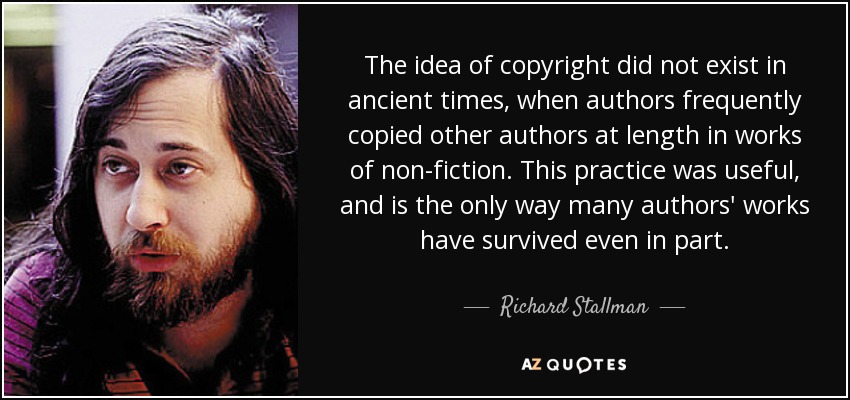
The father of free software, mr. Richard Stallman is notorious for his critical mind and software freedom activism quite well.
While checking some of his speaches and interviews, I came across another interesting, one here RMS critices and exposes the bad and evilness of fb and Google+.
Interview with Richard Stallman – Stallman: Facebook and Google+ Mistreat Their Users
People unaware of computer networks, programming, Unix and the deep computing so to say definitely didn't understand the profoundness of upcoming problems of so called "social networks". The Facebook and Google+ Mistreat Their Users video is also to be found in youtube under name Richard Stallman: Facebook IS Mass Surveillance .
Its a pity Stallman is mostly popular only among specific users like me which are already 'dubbed' into free software and have a belief that computer software should be free. Hopefully as time passes more and more people will be awakened to listen to his speeches and realize the severeness of problems, we face nowdays by simply accepting almost anything new without much privacy concerns … If you're a free software enthusiast like me, please take the time to share the video and whistle-blow about the problem to as many non-tech pc users as possible 🙂
Richard Stallman the main person thanks to whom the GNU (GNU is not UNIX) organization, free software as we know it and GNU / Linux free operating system exists has been notable for being a pain in the ass for politicians. RMS has dedicated his life for the only goal to propagate his ideas that all computer software should be free as in freedom. He is known to have engaged in various petitions and peaceful protest events as well doing his best to raise awareness in people that our Freedoms as we know it are large endangered due to a daily introduced laws throughout the world aiming to limit us and take away our constitutional (democratic) freedoms.
In his lectures RMS at many times puts his thoughts on the lack of real democratic decision taking in the European Union.
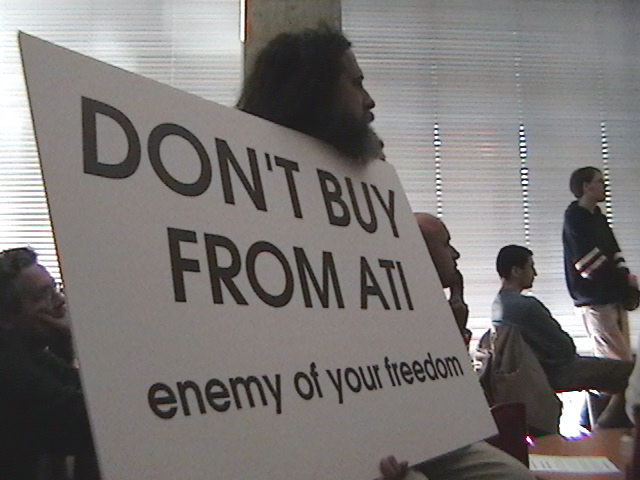
A good example on how un-democratic the EU is a Software Patent session being held in Brussels just a a year ago. The Software patent session is officially said to be opened, (so anyone from the public) can participate. What is really weird about the whole thing is that an European institution is trying to campaign a software patents to be legislated in Australia. Hmm isn't that weird, wasn't the European Union to be mainly engaged in minding for the European member countries and european economy or software situation. Why on earth they try to in-force software patents in Australia if Australia has nothing to do with the EU. Didn't the EU has enough problems already caused by patenting … The patent session held was completely "bribed" as Stallman points out, the people attending was "computer specialists" and patent experts who were all only in favor of software patents and there was no practical representative of any tech-expert who was not in favour of software patents. Stallman tried to peacefully protest the unwalful meeting by just holding a big signature saying "NO TO SOFTWARE PATENTS". He entered the hall and tried to stay in the back of the room with the NO SOFTWARE PATENTS slogan without even saying a word. A short after a policeman come and took him away for no apparent reason, obviously showing that peaceful protesting to any of what the EU is lobbying about is no longer possible. Now how this is a democracy and how comes the European Union is proclaiming being democratic if even a peaceful protesting of someone or bunch of people opposing an idea, agenda or meeting can't take place?
GNU founder tries to peacefully protest in European Patent session, being pushed away by police
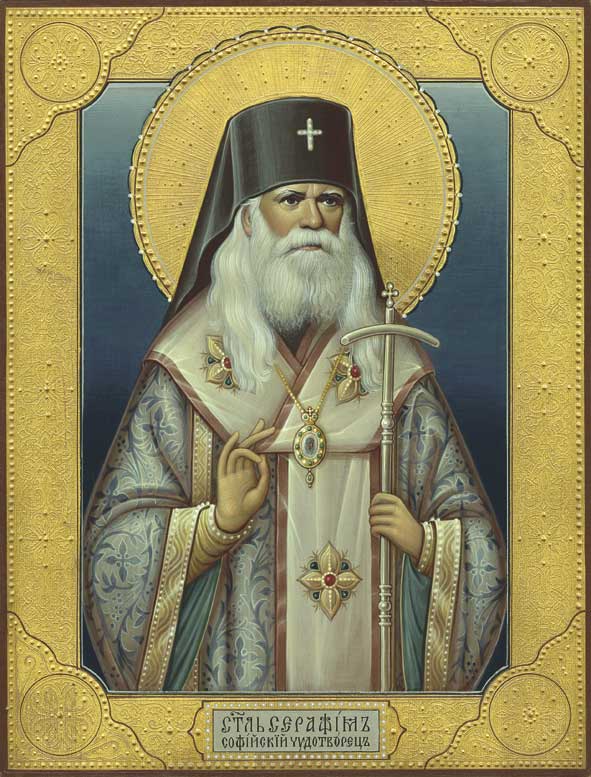
It is my great joy to share with my dear readers, that Archibishop Saint Seraphim Sobolev (1881-1950), Archibishop of Bogochar has been canonized officially by the Russian Orthodox Church on yesterday 3rd of 2016 in their plenary meeting held at Christ the Savior Cathedral in Moscow.
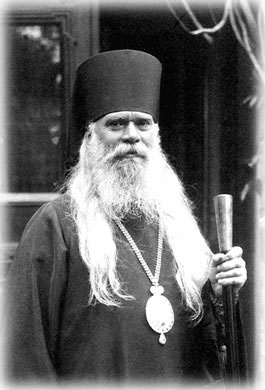
Saint Seraphim Sobolev, has long time has been considered a saint by many Bulgarians and Russians in Bulgaria, for his countless spiritual intercessions for those who venerate him and ask for his prayer and spiritual guidance. St. Seraphim Sobolev crypt in the Russian Orthodox Chruch in Sofia Bulgaria in honor of Saint Nicolas.
Even my joy is greater his Eminence Metropolitan Ioan (John) of Varna and Veliki Preslav, who happens also the Bishop of my birth place Dobrich, Bulgaria was present On the official canonization. Also it is not a coincidence that our Metropolitan Ioan was present at the canonization, since he happens to be a spiritual child of a direct disciple of st. Seraphim Sobolev.
Some other notable bishop presents at the canonization Church service was, His Grace Bishop Arseny of Znepolsk, Vicar of the Plovdiv Metropoliate, and Archimandrite Feoktist (Dimitrov), representative of the Bulgarian Patriarch to the Patriarch of Moscow and All Russia. The overall count of Bishops, Archibishops and Metropolitans who took participation in the canonization was approximately 320, almost all the bishops of Russian Orthodox Church (Moscow Patriarchate).
The news that holy Seraphim Sobolev is considered for canonization has been sweeping the Bulgarian Church space for a long time. A nice priest lady has made even a notable movie, about the saint pointing the general turning points of his difficult life, last year and the movie was presented in the Russian Cultural Center in Sofia Bulgaria, below is the movie (unfortunately in Bulgaria and Russian), hopefully soon someone to translate it also to English:
full of a lot of sorrow and uncertainties, because of the harsh Soviet time in which the saint was serving the Church. In order to caninize a saint, the process is quite long and usually in Russian Church it takes pretty longer sometimes from 20 to 50 years, however with St. Seraphim Soboev, already 66 years already passed since his peaceful passing to Christ on 26th February 1950. The head of the local Russian Church council was his Eminence Patriarch Kiril Bishop of Moscow and all Russia.
The members of the Council unanimously voted for the glorification of Archbishop Seraphim, who has been venerated for many years in Bulgaria and Russia. Metropolitan Ilarion then read the Act of the Holy Council of Bishops announcing the canonization of Archbishop Seraphim among the host of saints. The Council members then sang the exaltation to the newly-glorified saint. His Holiness Patriarch Kirill then gave Metropolitan Ioann an icon of St Seraphim painted at St Petersburg Theological Academy as a gift to the Bulgarian Orthodox Church.
The full canonization title given to st. Seraphim Sobolev (archibishop Bogocharski) from Sofia (The Wonder worker).
So who is Archibishop Seraphim Sobolev?
St. Nicolas Borisovich Sobolev is born on 1st of December 1881 in Russia, province of Rezan in the Russian Empire. After completion of seminary in 1904, he entered Saint Peterburg spiritual academy, which he completed in 1908 y. with the honour of candidate of Theological studies. At that time he has been ordained for hieromonk. After a short pastoral service in a school in Jitomir, in 1909 fr. Seraphim become a helpng overseer in Kalujsk spiritual school in 1911 and was inspector in the seminary of Kostroma, in 1912 he become a rector of the spiritual seminary in Voronej.
While in Vironej he had experience the terrors of Red (Soviet) Revolution. In autumn of 1919 archimandrite Seraphim went to Ekaterinodar and from then transferred to Crimea. There in 14.10.1920, he was ordained in bishop Lubenski. The ordaining was God's plan for him and also happened perhaps, because of the need of bihops, because of mass inprisonment of bishops and archibishops by the red beasts of the communist party.
With the blessing of his spiritual elder bishop Seraphim has left Russia. From this day on his life is a life of an emigrant. For a while he has taught Theology in the spiritual school of Constantionople's patriarchy on the Island of Chalkidiki. In 1921 he was assigned as a bishop of the Christian temple in the Russian Church in honour of Saint Nicolas the Wonderworker in Sofia which was made as a monument of The Bulgarian Liberation – the Russian-Turkish Liebaration war. Same year with a decree of patriarch Tikhon, who now is also canonized – st. Patriarch Tikhon of Moscow and all Russia he was assigned to govern the Russian parishes in Bulgaria with the archibishop title Bogucharski. Until 1944, bishop Seraphim who in 1934, became archibishop was under the jurisdiction of Russian Orthodox Church outside Russia (ROCOR) from 1934. In 1945 he has joined back to the Russian Orthodox Church of Moscow Patriarchy. In 1948 archibishop Seraphim took participation in the All-Orthodox gathering in Moscow. St. Seraphim Sobolev was a fervent fighter for holy and true orthodoxy and a great enemy of the movement of Ecumenism movement (a movement aiming to unite all Orthodox and then all Churches under the government of a protestant like body called World Council of Churches). All his life just like Jesus Christ, st. Seraphim Sobolev has lived without possessing on own house. He paid for his one room apartment from his small money priest sallary which at that time was hardly enough to pay his rent and for some food. He lived all his life renting an apartment with his own money, (something which was absolutely unthinkable), for a bishop of all Russian eparchies of Bulgaria at that times. Even during lifetime, he helped and turned a lot of people from the sinful ways leading to death, had a lot of spiritual children after him, he established a small nun monastery Kniajevo nearby Sofia. He also was one a fervent fighter against the cult of Dynovism (Danovism), started by anti-christian posing christian, Peter Dynov. St. Seraphim Sobolev was a fervent defender of Orthodoxy, freely showing up the delusions of Roman-Catholicism, Protestantism, Pentecostals, Baptism, Adventism and was strongly against the popular at that time united prayers between Orthodox and non-orthodox christian teachings. He is also an author of Theological literature who in details makes a comparison between Anglican Protestant Christianity and the Eastern Orthodoxy.
St Seraphim, denounced on a multiple occasions, the movement of ecumenism as being anti-christian and not in the spirit of the one Holy Eastern Orthodox Church, thus all his life and all his spiritual children were strongly trying to hold the Church teachings, was supporters of the celebration of Church feasts under the Julian calender, and was against the untroduction of the Gregorian Calendar – so called new Style calender in the Eastern Orthodox Churches.
It has to be said that it is a bit of paradox that the canonization of st. Seraphim Sobolev was made by the Russian Church, as the Russian Orthodox Church, along with Romanian and Serbian and many other Orthodox Churches continues to be an active member in the Ecumenical Movement. Because of St. Seraphim Sobolev even to these days, there are a lot of Christians who continue to follow the old Julian Calendar feasts style, the so cold Old Calendarists.
The most notable work of st. Seraphim Sobolev in my humble opinion is the creation of Acathist of the Greatest Bulgarian Saint, Saint John of Rila.
Perhaps as a fervent fighter to keep the true teaching of the Holy Orthodox Church and his incessant labor for the true Church of the Lord Jesus Christ, God give him a blessed departure from earthly life to the saviour of mankind the Lord Jesus Christ on the Church feast day of Sunday of the Triumph of Orthodoxy.
For the 66 years since his passing to Christ, each day on the grave of st. Seraphim Sobolev has been served a special service for co-memoration of the deceased and for forgiveness of his sins called in orthodox terminology Panihida, and the remembemrance of all the brothers and sisters in Christ who has departed from life.
The grave of Saint Seraphim Sobolev is situated in a small chapel (crypt) located in the center of Sofia, Bulgaria, Russian Orthodox Church, St. Nicolas. Even to this day people go daily on a big queues to ask the saint for help in hardships in life. The accepted way that people turn for prayer intercession is by writting their beseeches, needs, problems on a piece of paper and then dropping the small letter in a box called (Iashtik) Russian. I myself have been there and prayed and a lot of the things, I've asked the saint for my personal life and well being already come true. I know also of other people who by the prayers of the saint has been saved from a impossible to escape situations and a lot of people received spiritual confort and peace as well as spiritual healing when turning to the saint. Saint Seraphim Sobolev, pray the Lord Jesus Christ for us the sinful Bulgarians and all the suffering people around the world, for the refugees, for the sick for the hungry for the homeless and for all nations that we turn to repentance and come back to the way of salvation you Lord Jesus has shown to the nations.
Most of people nowadays are using Google as a default search engine for different reasons, some because of its popularity and most importantly because Google is considered the Largest and most used and superior in quality Internet Search Engine in the World as of time of writting this post.
However as most (if not all) Companies and Corporations nowdays in this terrible freedom enslaving Globalistic world, Google's popularity is not only a result of their superiority of service but a consequence of 17 years constant branding (or better to say user brainwashing) to addict peoples arround the world to their colorful logo and their Loud name GOOGLE (contains 2G's 2O's 1L and 1E or as it might be associated subsconsciously = Le, 2 G, 2 O or LE 2 GO – looks pretty much like the English LET GO – doesn't it??) .
Color programming has become a popular way for companies and brands to keep our minds affected the Colorful addiction and has been definitely quite seriously researched throughout World War I and World War II and Post war times by Governments and Psychological institute studies some of which tried to call it and name it as NLP (Neuro Linguistic Programming) and made a pseudo-science that is more of a spiritual new age occult thing than really based on facts. I guess some of this studies were put in action by most if not all big companies to influence their customer / users.
Google's Logo
Some example that such a mind psyche manipulation techniques are reality could be seen by simply comparing the Color Gamma of Google's Logo, Microsoft Flag (See your start button logo), Ebay Logo, Google Play's logo, Microsoft (Windows)Flag logo, Windows Media Player, Google Chrome, Microsoft Visual Studio, Apple's Old Logo … etc. etc. and a number of key applications we use daily is not a coincidence but a smartly crafted methodology to make people regularly exposed to combination of colors be psychologically influenced and attracted by the Colorful flag message not only in these company Software programs but also in daily products we buy from Shops / Supermarkets.
Windows Flag (Also present on every Windows PC in the start button and during PC boot)
However color programming that Google inflicts (is not really a prooved science but is based on a number of occult gnostic believes combined with some pseudo scientific research on associative human thinking).
Hence these colorful manipulation / programming technique so much adopted by companies is believed to effect on adult people and kids throughout the world because even from kids we're being exposed to this colors in many children books, cartoons cartoons and most importantly by the market which produces this "interesting" entertaining fun colorful kid toys.
Apple's Computer Company Inc Old Logo
In other words these corporations are trying to influence and bring up a postive reaction in us by using these colorful logos propaganda because it has to do with how people were learned to think from the Kinder Garden onwards, especially in democratic countries and probably less in ex-communist totalitarian countries (because they were excluded more or less fromt he global rest of the world for many years), though color programming was partially used also in ex-communist contries too but in a less agressive way than in democratic countries.
With all said above I guess / assume Google (creators) or some of the management and CEO personal undertstood this people's natural daily inflicted love for colorfulness quite well not only because of its psychological materrial meaning but also because Google founders Larry Page and Sergey Brin have been told a mystical teaching about colors that is being preached heavily in recent years by pseudo scientific (occult) companies like Herrmann Brain Dominance Institute HBDI the infamous business module so much loved and adopted by modern businesses – (HBDI) as well as the colors hidden meanings as believed in secret (closed) societies such a masonry fraternities and their front organizations such as Rainbow Girls, Shriners etc..
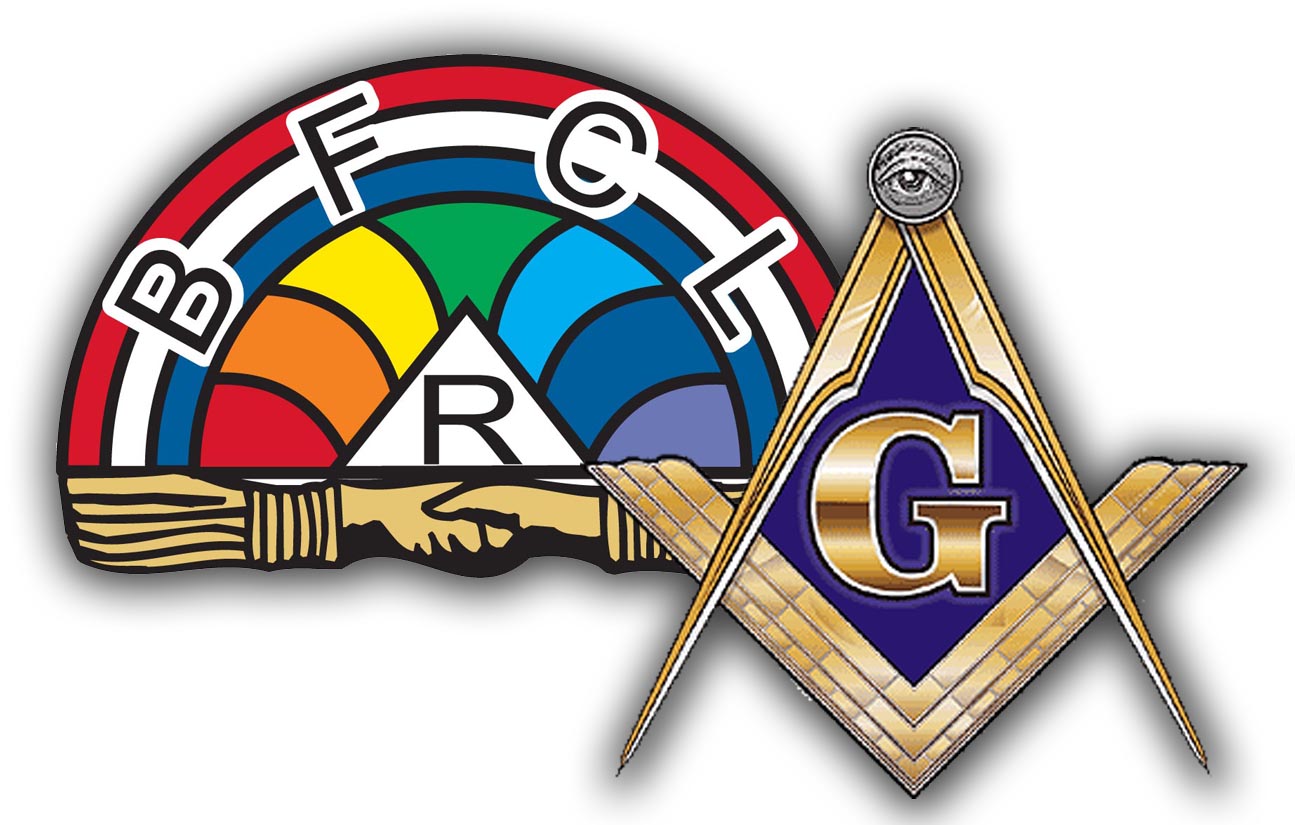
Logo of Masonic Order Rainbow girls together with Masonic Square and Compass famous symbol
Probably the importance of exposed Google Logo colors is not a coincidence but same colors order is important for both Jewish (because of the Rainbow's importance in the Holy BibleOld testament as a sign of covenant God give between God and man as a promise the world will be no more destroyed by Water Flood), that is still strictly followed by Jewish.
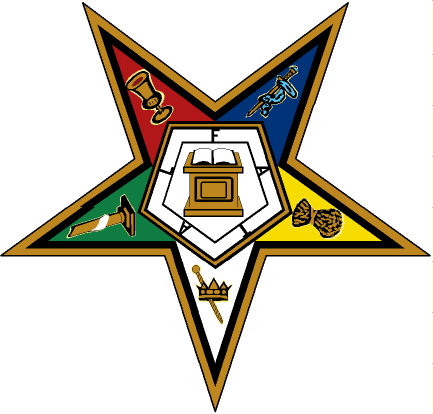
Besides that the Google logo colors are also to be seen as one of central symbols of Free Masonry the Eastern Star (note that it is the same as the Satanists Pentagram), Partially in Gay Lesbian and Homosexual Movement's flag logo and many new founded companies that are adopting and embedding occult meaning it in their company brands exposing them selve who are their masters.
An important Masonic Star (Same is seen in Lavey's Church of Satan but in a circle)
Homosexuals movement logo (flag)
With all said, if you're like me and you want to continue use Google as a Search engine and not switch to Something like Russian's Yandex / Yahoo or DuckDuckGo etc. and want to keep using Google but disable annoying Color propaganda of Google Logo and the Google Doodle's that exposes you to people and events that are often anti-Christian (or never related to Christianity) but showing a pop-culture idolizing personalities many of whom are known for their liberal ideas and non-christian world view (e.g. indoctrinating you slowly but surely with secularism and globalistic) ideas, or if you want me to be "politically incorrect" to save yourself from Google Brainwashing.
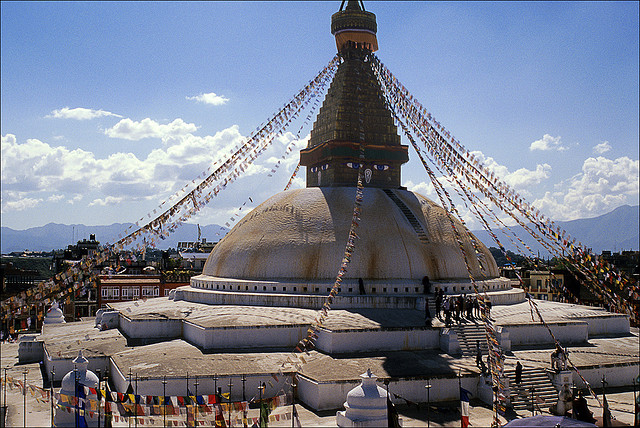
Strangely perhaps not a co-incidence this colorfulness and order of color, very much resembles the Buddhist prayer flags used heavily by Buddhists (hanged on their large temples), I guess this is not strange since nowdays the Western culture is crazy of integrating Eastern teachings into their Post-Christian "enlightenment" world.
Removing the Google Search Colorful Logo (Substitute Logo with Blank Space) in Mozilla Firefox Web Browser
I've tried a couple of methodologies to get rid of Annoying Google colorful logo that started to be really irritating for me by using DOOD Remove Firefox plugin which was supposed to be able to allow me change the Google Logo site to whatever I like but the link pointing to the FF DOOD Remove plugin was broken, I then tried using a simple hack with GreaseMonkey and My Google Logo and Background changer on my Firefox Version 38.0.1 but as the script used to be last tested reported working on 18-05-2013 as of time of writting this article it didn't work nomore because of some changes in how google serve its Logo Images. I knew there is a way to also dump the logo using some of the embedded Firefox Javascripts but as I was lazy and don't have a good understanding on JS, I decided to not continue that way and instead tried another method with Adblock Plus's custom Filterint capabilities that is able to filter any picture or object out of a html web page.
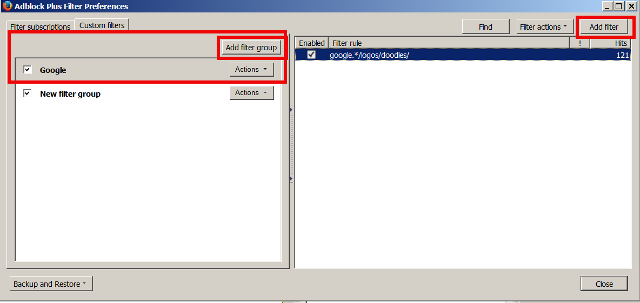
UsingABP to remove Google Logo turned to be the easiest and only working solution to remove Google's Logo, to do you need to:
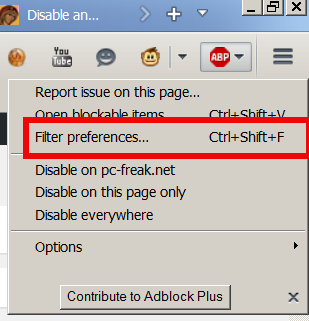
1. Have AdBlockPlus extension for Firefox installed first 2. Enter ABP Options menu by either right-clicking the extension's icon and choose Filter Preferences as shown in prior screenshot. 3. Go to the Add filter Group button (Type Google and then, click Add Filter button and enter google.*/logos/doodles/, as shown in below screenshot
Then give it a try just open www.google.com and you will not see anymore the Google logo, unfrotunately the Logo flashes for less than a second until it is removed but this is the best I can achieve at current point.
Removing the Google Search Colorful Logo (Substitute Logo with Blank Space) in Google Chrome Browser
I've also done a short research on how is possible to Remove Google logo if using Google's Chrome browser and it seems the only meaningful thing I found here is again DOOD Remove (extension) for Chrome. I've give DOOD Remove for Chrome a try and it works fine, however when you want to open Google you get a short second flash of the Google Logo (after typing google.com in URL bar) before you get the logo wiped so though this works the solution is unfortunately not perfect, the other option to remove the Google Logo branding from searches in Chrome was also to use the Greasemonkey + Userscript as well as Tampermonkey + DoodleGone's script as explained in this post however after enabling TamperMonkey + DoodleGone, the Google logo still was appearing in a behind the search bar (so this worked not), the Google Chrome version where I tried this solution is Google Chrome 43.0.2357.81 (Official Build) m (32-bit).
So finally it turned out that in order to Disable Google's Kindergarden like looking Logo in Chrome (which is manipulately crafted to inflict kiddish feelings in yourself), I had to Adblock Plus Methodology as described above. The ABP method to get rid of the ugly google logo also seems to be the only Method that works to remove the Google Logo on Mac OS's (Safari browser).
Hope my article helps others who want to Ban the Google Doodles Logo in your favourite web browser the only condition is to have the Adblock Plus for the browser.
Enjoy Google free logo browsing Google Search engine ! 🙂
FreeBSD 9.2 is out today. There are mostly improvements in FreeBSD's ZFS. As usual BSD packages are updated with new ones. This version of BSD does not include anything revolutionary. Below are all the major changes in the distro. A list of all new introduced supports in that release as usual is in BSD's release notes
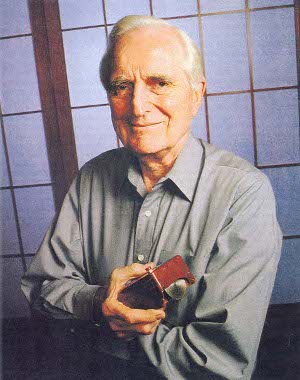
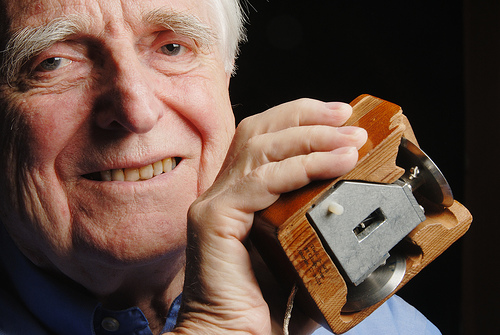
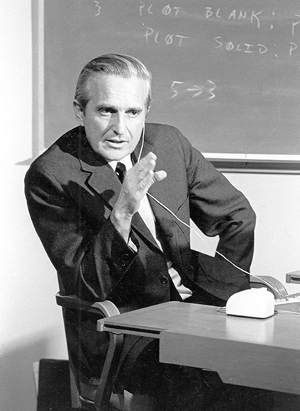
One of most influential persons on Computing Douglas Engelbart passed away silently at age of 88 on 03 of July 2013. He worked at times where computing was in its dawn in late '60s . He become the Inventor of Computer Mouse Interface and played key role in developing much of the modern PC interface and his work on human – computer interaction.
Many of his research led indirectly to developing later a number of nowadays standard technologies such as Networking as we know it, The Hypertext Transmission (HTTP) and many of Modern graphical computer interface
I believe every IT should understand the significance of his works and should keep his name in short names along with Denis Ritchie who passed away last year,Ken Thompson and Johh McCarthy – also died last year . All of this people, indirectly changed our modern world by their genius inventions. Of course it is doubtful whether their scientific contribution doesn't make our life more miserable as half of people on earth today spend about 5 to 8 hours in front of some kind of computer or mobile computer screen (be it notebook, pad or smartphone mobile) …
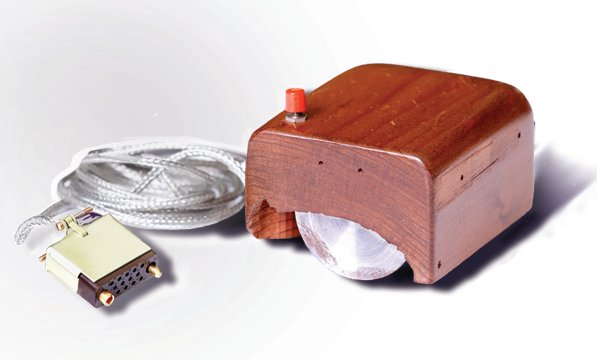
One of first Douglas Engelbart famous works is "Augmenting Human Intellect: A Concept Framework" (1962). His had so much interesting idea and new information that it led to development of Augmentation Research Center (ARC). Engelbart worked on things like bitmapped screens, collaborative tools and precursor of graphical user interface. In 1967 he filed a patent for a primitive version of the Computer Mouse, the mouse was patented and later licensed to Apple for only 40000$ !
Augmentation Research Center later become involved working closely with ARPANET (Internet's predecessor). In ARC Engelbart along with other researchers invented things like hypertext, object addressing, dynamic file linking, shared screen collaboration.
After WWII Douglas studied electrical enginering at University of Califormania (Berkley) gruduated with Master in 1953 and later in 1955 earned a PhD. During studying in Berkley he get involved in construction of California Digital Computer Project. After his graduation he served as a professor in Berkley
He enrolled in graduate school in electrical engineering at University of California, Berkeley, graduating with an Master of Science degree in 1953, and a Ph.D. in 1955.[9] As a graduate student at Berkeley he assisted in the construction of the California Digital Computer project
he would focus his career on making the world a better place;
any serious effort to make the world better requires some kind of organized effort;
harnessing the collective human intellect of all the people contributing to effective solutions was the key;
if you could dramatically improve how we do that, you'd be boosting every effort on the planet to solve important problems — the sooner the better; and
computers could be the vehicle for dramatically improving this capability
An important paper that severely influenced Engelbart's ideas is As We May Think – by VANNEVAR BUSH In 2005 Engelbart received a National Science Foundation grant to fund the open source HyperScope project. Douglas Engelbart has been honored with multiple awards including National Medal of Technology by Bill Clinton in y. 2000. He is fellow of Computer History Museum, he has been active as IT innovator until the very late time in his life, one of his last written works is Boosting our Collective IQs from 1995. In personal plan he was married for Ballard (who died in 1997), from her he had 4 kids – Gerda, Diana, Christina and Norman. One of most unusual things for him is his second marriage in 2008 in age of 83! He left behind himself 9 grandchildren 🙂
Douglas is mostly famous in hacker culture for his demonstration of experimental computer technologies that are now commonplace in December 9, 1968 widely known as "The Mother of All Demos". Below is a Video capture of whole presentation, I believe every IT geek, hacker or just a computer involved person should watch it. One can see that this presentation later led to development of many of modern concepts in Computer Science used this very day including so popular nowadays FrameWork Programming
The Mother of All Demos, visual presentation of Experimental Computer Technology presented by Douglas Engelbart (1968)
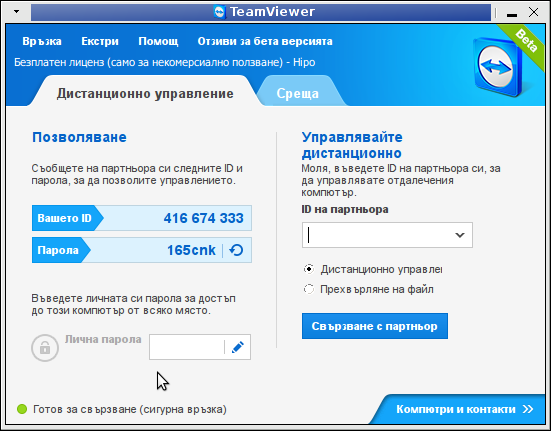
I had to login to a Windows host, after a friend handed in his Teamviewer ID and pass. I tried connecting few times and connection failed every time. It was not very likely it is a network problem as I have pretty good internet bandwidth here. I ask him what is his teamviewer, release and it turned out he is using TeamViewer 8. Just few months ago I've updated my teamviewer from TV 6 to TV 7 after finally Teamviewer 7 was launched for Linux. I check immediately TeamViewer website, but this time (TeamViewer GmbH – the vendor company of TV) has launched TV 8 for Linux in parallel with launching TV 8 for Windows.
Of course like often in Linux it is not all perfect TeamViewer 8 version is still in beta testing stage. I've downloaded and updated my (64 bit) teamviewer 7 to teamviewer 8 using the Deb binary, i.e.:
Just like previous TeamViewer, releases, the program launches via wine, so teamviewer_linux_x64.deb depends on working wine Windows emulator. There are minor difference in graphic interface but no so significant changes from previous release.
I used it to connect to remote Windows 8 host and experienced random issues with typing some characters from keyboard remotely, though I'm not sure if this was due to some bug of the TV 8 beta release or it is due to fact the Win host was infested with viruses. Just for some convenience if I further need it, I've also made mirror of 32 bit TeamViewer 8 beta here and 64 bit TeamViewer 8 beta mirror here.
On 15 August one day before Debian Linux birthday and Debian manifesto announcement another important project for free software realm came to existence. On 15 Aug 1997 Miguel de Icaza, posted announcement explaining the major goals of the GNOME – GNOME Desktop project The original announcement of GNOME Desktop Project can be read here Last year GNOME has went through severe ups and downs, it was criticized and decredited by many of the true “believers” in the project because of the drastic turn the project does. Lest the ups and down, GNOME project is one of the most succesful free software project and in my view the most succesful FOSS software GUI.
Its interesting fact two major free software projects celebrate birthdays with 1 day difference. This makes August a major month for free softwar 🙂 As a long term Debian and GNOME user I felt obliged to drop few lines in thanks and congrats to GNOME which powers my desktop for 8 years already.
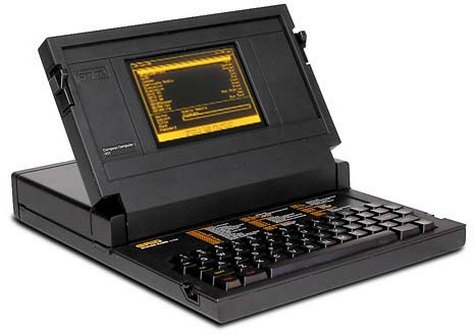
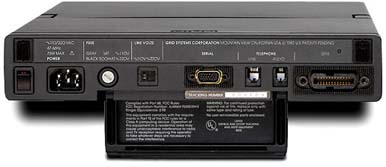
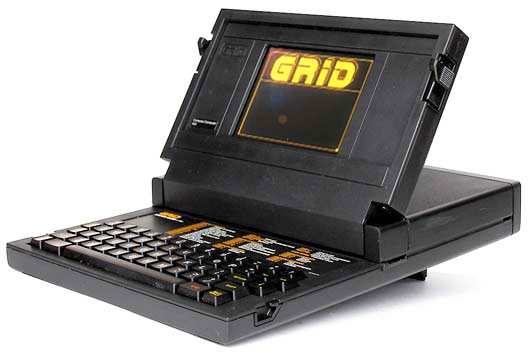
Today it is considered the modern laptop (portable computers) are turning 30 years old. The notebook grandparent is a COMPAQ – GRiD Compass 1011 – a “mobile computer” with a electroluminescent display (ELD) screen supporting resolution of 320×240 pixels. The screen allowed the user to use the computer console in a text resolution of 80×24 chars. This portable high-tech gadget was equipped with magnesium alloy case, an Inten 8086 CPU (XT processor) at 8Mhz (like my old desktop pravetz pc 😉 ), 340 kilobyte (internal non-removable magnetic bubble memory and even a 1,200 bit/s modem!
The machine was uniquely compatible for its time as one could easily attach devices such as floppy 5.25 inch drives and external (10 Meg) hard disk via IEEE-488 I/O compatible protocol called GPiB (General Purpose instrumental Bus).
The laptop had also unique small weight of only 5 kg and a rechargable batteries with a power unit (like modern laptops) connectable to a normal (110/220 V) room plug.
,br /> The machine was bundled with an own specificly written OS GRiD-OS. GRID-OS could only run a specialized software so this made the application available a bit limited. Shortly after market introduction because of the incompitablity of GRID-OS, grid was shipped with MS-DOS v. 2.0. This primitive laptop computer was developed for serve mainly the needs of business users and military purposes (NASA, U.S. military) etc.
GRID was even used on Space Shuttles during 1980 – 1990s. The price of the machine in April 1982 when GriD Compass was introduced was the shockingly high – $8150 dollars.
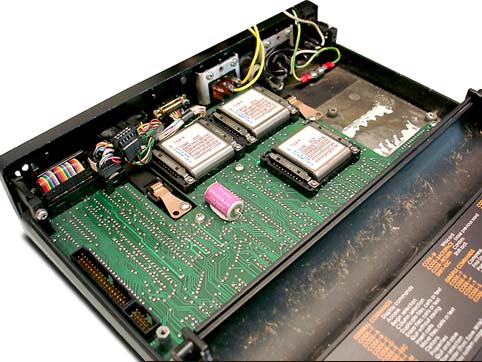
The machine hardware design is quite elegant as you can see on below pic:
As a computer history geek, I’ve researched further on GRID Compass and found a nice 1:30 hour video telling in detailed presentation retelling the history.
Shortly after COMPAQ’s Grid Compass 1011’s introduction, many other companies started producing similar sized computers; one example for this was the Epson HX-20 notebook. 30 years later, probably around 70% of citizens on the globe owns a laptop or some kind of portable computer device (smartphone, tablet, ultra-book etc.).
Most of computer users owning a desktop nowdays, owns a laptop too for mobility reasons. Interestengly even 30 years later the laptop as we know it is still in a shape (form) very similar to its original predecessor. Today the notebook sales are starting to be overshadowed by tablets and ultra-books (for second quarter laptop sales raised 5% but if compared with 2011, the sales rise is lesser 1.8% – according to data provided by Digital Research agency). There are estimations done by (Forrester Research) pointing until the end of year 2015, sales of notebook substitute portable devices will exceed the overall sales of notebooks. It is manifested today the market dynamics are changing in favour of tabets and the so called next generation laptops – ULTRA-BOOKS. It is a mass hype and a marketing lie that Ultra-Books are somehow different from laptops. The difference between a classical laptop and Ultra-Books is the thinner size, less weight and often longer battery use time. Actually Ultra-Books are copying the design concept of Mac MacBook Air trying to resell under a lound name. Even if in future Ipads, Android tablets, Ultra-Books or whatever kind of mambo-jambo portable devices flood the market, laptops will still be heavily used in future by programmers, office workers, company employees and any person who is in need to do a lot of regular text editting, email use and work with corporative apps. Hence we will see a COMPAC Grid Compass 1011 notebook likes to be dominant until end of the decade.
And the king said unto her, Be not afraid: for what sawest thou? And the woman said unto Saul, I saw gods ascending out of the earth. -- 1 Samuel 28:13








 ,br />